


Dermatology
- Presentation
- Healthcare services
- Team
- About diseases or procedures
- Research
- Teaching
- Contact
Codi servei:
Recerca:
The Dermatology Department at Germans Trias i Pujol Hospital conducts extensive research, focusing primarily on clinical and translational studies. The team currently leads over 50 active clinical trials—mostly Phase III and IV—collaborating with international networks and the pharmaceutical industry to evaluate new therapeutic molecules for conditions such as psoriasis, atopic dermatitis, prurigo nodularis, hidradenitis suppurativa, chronic urticaria, and alopecia areata.
The department is part of the IGTP-HUGTIP Joint Unit for Clinical and Translational Dermatological Research and actively collaborates with the Josep Carreras Foundation on transcriptomics and epigenetics projects applied to inflammatory dermatoses. This molecular approach advances the understanding of inflammatory mechanisms and enables personalized treatments.
The department participates in multiple cooperative multicenter projects led by the Research Unit of the AEDV (Spanish Academy of Dermatology and Venereology) and maintains a significant presence in national registries such as BIOBADADERM, BIOBADATOP, and registries for chronic urticaria, hidradenitis suppurativa, and cutaneous lymphomas.
Furthermore, it drives its own research lines focusing on:
- Melanoma
- Non-melanoma skin cancer
- Lymphomas
- Sexually transmitted infections
- Hidradenitis suppurativa
- Rare skin diseases
- Skin toxicity associated with cancer treatments
- Inflammatory and autoimmune dermatoses
- Quality of life related to dermatological diseases
- New advanced therapies
The department actively participates in disseminating results through national and international meetings and congresses, with regular contributions from attending physicians and residents. Additionally, it is part of various working groups within the Spanish Academy of Dermatology and Venereology (AEDV), reinforcing the department's commitment to collaborative research and continuous scientific updating.
These initiatives position the Dermatology Department at Germans Trias i Pujol University Hospital as a national and international leader in clinical, innovative, and patient-centered dermatology.
Presentation:
The Dermatology Department at Germans Trias i Pujol University Hospital provides specialized, comprehensive dermatological care for the population of the Barcelonès Nord and Maresme Health Region, serving a catchment area of approximately 800,000 inhabitants.
The department addresses both general consultations and cases of high clinical and surgical complexity, acting as a regional and national referral center for various conditions affecting the skin, nails, and skin appendages, such as:
- Chronic inflammatory dermatoses, including moderate-to-severe psoriasis and atopic dermatitis.
- Hidradenitis suppurativa and other complex follicular diseases.
- Dermato-oncology: detection, monitoring, and treatment of skin cancer.
- Specialized clinic for autoimmune diseases within the UFMAS (Functional Unit for Systemic Autoimmune Diseases).
- Lymphoma unit, coordinated with the Hematology Department.
- Melanoma, pigmented lesions, and digital and confocal dermatoscopy unit.
- Mohs surgery.
- Pediatric dermatology.
- Skin allergies and adverse drug reactions.
- Sexually Transmitted Infections (STIs).
- Phototherapy, photodynamic therapy, and photobiology.
- Cutaneous ultrasound.
- Dermatological laser: vascular laser unit (PDL/Nd:YAG) and CO2 laser.
- Multidisciplinary phakomatosis unit.
- Specialized nursing care.
The department combines high-level patient care with teaching activities through its affiliation with the Autonomous University of Barcelona, participating in undergraduate medical education, residency training, and external rotations. The department conducts extensive research, participating in clinical trials as well as basic and clinical research studies (Germans Trias Research Institute). It is involved in numerous national and international projects that contribute to the advancement of dermatological treatments.
It utilizes teledermatology as a coordinated tool for clinical support and communication with primary care teams.
The department maintains strategic alliances with the Consorci Sanitari del Maresme (Mataró Hospital) and Badalona Serveis Assistencials (Badalona Municipal Hospital), collaborating on patient care and teaching while promoting projects to improve care across the region.
Overall, the Dermatology Department at Germans Trias i Pujol University Hospital strives to provide excellent, coordinated, and personalized dermatological care based on scientific evidence and clinical experience.
Highlights from the Germans Trias Hospital Dermatology Department
- The Germans Trias Hospital Dermatology Department actively participates in the 14th Conference on Skin Cancer Prevention and Treatment
- Extensive participation by the Dermatology Department in the 70th GEIDAC annual meeting
Tipus Servei: 1
Correu: dermatologia.germanstrias@gencat.cat
Docència:
The Dermatology Department at Germans Trias i Pujol Hospital is strongly committed to teaching and actively participates in the training of healthcare professionals at all stages of their education, particularly in the training of medical specialists at Can Ruti and visiting trainees from other institutions.
Undergraduate Teaching
At the university level, the department collaborates with the Autonomous University of Barcelona (UAB) on undergraduate medical education. This involves teaching the fifth-year Dermatology course through a combination of in-person lectures, seminars, small-group sessions, and clinical rotations, as well as supervising final degree projects. Several department professionals serve as associate professors or teaching collaborators at the Faculty of Medicine.
Postgraduate Teaching
The department is an accredited teaching unit for residency training (MIR) in Medical-Surgical Dermatology and Venereology, offering two accredited positions per year and serving as a reference center for dermatology residents in Barcelona and Catalonia. The dermatology residency program is based on clinical and surgical competencies, featuring internal and external rotations, structured clinical sessions, and active participation in research. Residents are fully integrated into the department's clinical and research activities; they participate in studies and national and international congresses, and have access to grants for training stays at leading national and international centers.
Continuing education is also provided for dermatology residents from other hospitals who rotate through the center's specialized clinics, as well as for nursing staff and professionals from other medical specialties, hosting trainees from family medicine, pediatrics, internal medicine, and oncology. Weekly internal teaching sessions are held, alongside joint multidisciplinary sessions with other hospital departments. The department includes several members holding a doctorate and has a formal process in place for the preparation of doctoral theses. Currently, several theses are underway in the fields of inflammatory diseases, dermato-oncology, and translational research.
Residents information
- Teaching guide
- Find out what our residents think about the Dermatology service of the Germans Trias
► Check out the latest news regarding Dermatology residents during their time at Germans Trias Hospital
- The Dermatology Department at Germans Trias Hospital actively participates in the 14th Skin Cancer Prevention and Treatment Conference
- Extensive participation by the Dermatology Department in the 70th GEIDAC annual meeting
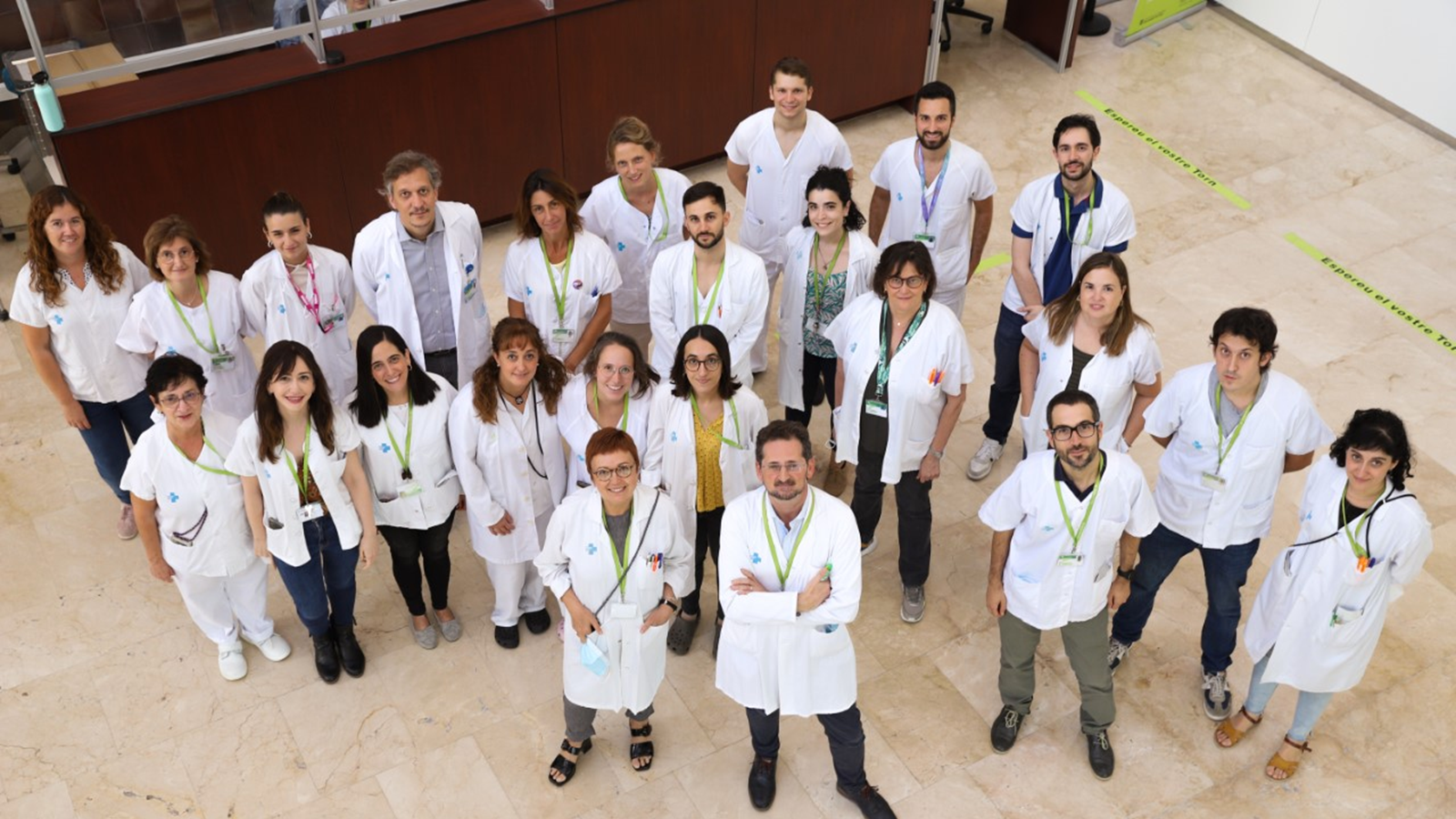
Medical team
Jose Manuel Carrascosa Carrillo
Head of Department. Associate Professor of Dermatology, UAB. Principal Investigator for Dermatology Clinical Trials, IGTP. Cutaneous inflammation: psoriasis, atopic dermatitis, and cutaneous allergy; photobiology and patch testing unit.
Isabel Bielsa Marsol
Head of Section. Associate Professor of Dermatology, UAB. Autoimmune connective tissue diseases. Autoimmune blistering diseases. Pediatric dermatology. Lymphomas. Principal Investigator for clinical trials (IGTP) in autoimmune diseases and pediatrics.
Aram Boada Garcia
Clinical associate Dermatology UAB. Melanoma and pigmentary lesions unit. Digital dermatoscopy and reflectance confocal microscopy. Cutaneous ultrasound in the follow-up of melanoma. Coordinator of the Melanoma Committee.
Maria José Fuente González
Associate doctor of the Dermatology Service. Clinical Associate in Dermatology (UAB). Dermato-oncology and dermatological surgery. Non-melanoma skin cancer. Complex Skin Cancer Committee. Management of complex ulcers. Principal Investigator for clinical trials (IGTP) and clinical studies on skin cancer.
Julio Bassas Vila
Associate doctor of the Dermatology Service. Clinical Associate in Dermatology (UAB). Hidradenitis Suppurativa Unit. Cutaneous ultrasound in the monitoring of hidradenitis suppurativa. Principal Investigator for clinical trials (IGTP) in hidradenitis suppurativa. Dermatologic surgery and Mohs micrographic surgery. Dermatopathology and clinicopathological correlation.
Ane Jaka Moreno
Associate doctor of the Dermatology Service. Resident Tutor. Clinical Associate in Dermatology (UAB). Dermato-oncology, non-melanoma skin cancer. Dermatological surgery and Mohs micrographic surgery. Principal Investigator for clinical trials (IGTP) in vitiligo and skin cancer. Cutaneous toxicities associated with oncological therapies. Dermatological laser unit. Complex Skin Cancer Committee.
Adrià Plana Pla
Associate doctor of the Dermatology Service. Resident Tutor. Clinical Associate in Dermatology (UAB). Pediatric Dermatology. Vascular Lesions and Vascular Lesions Committee. Dermatological Laser Unit.
Elena Del Alcázar Viladomiu
Associate doctor of the Dermatology Service. Cutaneous inflammation: specialized psoriasis clinic. Multidisciplinary dermatology-rheumatology clinic (psoriatic arthritis). Principal Investigator and sub-investigator for clinical trials (IGTP) and clinical studies on psoriasis. Phototherapy unit.
Nina Anika Richarz
Associate doctor of the Dermatology Service. Melanoma and follow-up of complex pigmented lesions. Reflectance confocal microscopy. Digital dermatoscopy. Dermatological surgery. Melanoma Committee.
Mónica Munera Campos
Associate doctor of the Dermatology Service. Clinical Associate in Dermatology UAB. Atopic dermatitis and other eczemas, prurigo nodularis. Allergic contact dermatitis and patch test cabinet. IP and subresearcher Clinical Trials (IGTP): atopic dermatitis, prurigo nodularis and chronic hand eczema. Dermatological laser cabinet.
Victor Morillas Lahuerta
Associate doctor of the Dermatology Service. Sexually Transmitted Infections Unit. Cutaneous lymphomas. Multidisciplinary dermatology-hematology clinic for lymphoma monitoring and treatment. Member of the Lymphoma Committee. Graft-versus-host disease functional unit.
Veronica Mora Fernández
Associate doctor of the Dermatology Service. Unit for Hidradenitis Suppurativa and Other Complex Follicular Unit Disorders. Cutaneous Ultrasound. Principal Investigator and Sub-investigator for Clinical Trials (IGTP) in Hidradenitis Suppurativa. Dermato-oncology, non-melanoma skin cancer. Dermatological surgery and Mohs micrographic surgery. Complex Skin Cancer Committee. Dermatological Laser Unit.
Maria Fabregat Pratdepadua
Associate doctor of the Dermatology Service. Pediatric dermatology. Chronic inflammatory dermatoses in children. Dermatological surgery. Phototherapy unit.
Júlia Verdaguer Faja
Dermato-oncology, non-melanoma skin cancer. Dermatological surgery. Rhenium-188 treatment (in collaboration with Nuclear Medicine). Non-Melanoma Skin Cancer Committee. Hidradenitis suppurativa. Cutaneous ultrasound.
Eugeni Prat Colilles
Resident doctor
Vicente Peris Espino
Resident doctor
Anton Emilov Popov Popov
Resident doctor
Nuria Gonzalvo Bassets
Resident doctor
Guillermo Perez Limousin
Resident doctor
Lorena Pumares Garcia
Resident doctor
Xavier Martin Garcia
Resident doctor
Alba Fernández Pita
Resident doctor
Maria Mateo Espejo
Resident doctor
Nursing Team
Montserrat Domingo Medina
Nurse. Skin care. Patch testing. Phototherapy and photodynamic therapy.
Montserrat Allue Costa
Nurse. Skin care. Patch testing. Phototherapy and photodynamic therapy.
Eva Maria Ferrer Bachiller
Nurse case manager. Photodynamic therapy.
Mari Carmen Neira Garcia
Nurse. Patch testing. Laser clinic.
Mariona Turón Viñas
Nurse. Clinical Trials Unit. Study Coordinator.
Laia De Lama Santasusagna
Nurse. Clinical Trials Unit. Study Coordinator.
Pilar Garcia Olivares
Technician in Nursing Auxiliary Care.
Administrative team
Gema Godàs Espinosa
Administrative Assistant
Marina Barrio Belzunce
Administrative Assistant
The Dermatology Department at Germans Trias i Pujol University Hospital provides specialized, comprehensive dermatological care for the population of the Barcelonès Nord and Maresme Health Region, serving a catchment area of approximately 800,000 inhabitants.
The department addresses both general consultations and cases of high clinical and surgical complexity, acting as a regional and national referral center for various conditions affecting the skin, nails, and skin appendages, such as:
- Chronic inflammatory dermatoses, including moderate-to-severe psoriasis and atopic dermatitis.
- Hidradenitis suppurativa and other complex follicular diseases.
- Dermato-oncology: detection, monitoring, and treatment of skin cancer.
- Specialized clinic for autoimmune diseases within the UFMAS (Functional Unit for Systemic Autoimmune Diseases).
- Lymphoma unit, coordinated with the Hematology Department.
- Melanoma, pigmented lesions, and digital and confocal dermatoscopy unit.
- Mohs surgery.
- Pediatric dermatology.
- Skin allergies and adverse drug reactions.
- Sexually Transmitted Infections (STIs).
- Phototherapy, photodynamic therapy, and photobiology.
- Cutaneous ultrasound.
- Dermatological laser: vascular laser unit (PDL/Nd:YAG) and CO2 laser.
- Multidisciplinary phakomatosis unit.
- Specialized nursing care.
The department combines high-level patient care with teaching activities through its affiliation with the Autonomous University of Barcelona, participating in undergraduate medical education, residency training, and external rotations. The department conducts extensive research, participating in clinical trials as well as basic and clinical research studies (Germans Trias Research Institute). It is involved in numerous national and international projects that contribute to the advancement of dermatological treatments.
It utilizes teledermatology as a coordinated tool for clinical support and communication with primary care teams.
The department maintains strategic alliances with the Consorci Sanitari del Maresme (Mataró Hospital) and Badalona Serveis Assistencials (Badalona Municipal Hospital), collaborating on patient care and teaching while promoting projects to improve care across the region.
Overall, the Dermatology Department at Germans Trias i Pujol University Hospital strives to provide excellent, coordinated, and personalized dermatological care based on scientific evidence and clinical experience.
Highlights from the Germans Trias Hospital Dermatology Department
General Dermatology Clinic
- Outpatient consultations at the hospital and at Primary and Specialized Care Centers (CAE Dr. Robert, CAE Dr. Barraquer, and CAE Gran Sol)
- Diagnosis and treatment of common skin diseases in adults and pediatric patients
- Assessment of pigmented lesions and periodic monitoring for high-risk patients
- Treatment of mild-to-moderate conditions such as acne, rosacea, psoriasis, and non-severe eczema
Pediatric Dermatology
- Specialized care for children and adolescents
- Diagnosis, monitoring, and treatment of childhood vascular lesions; team integrated into the multidisciplinary vascular lesions committee
- Monitoring of genetic diseases with cutaneous manifestations
- Advanced topical and systemic treatments for the pediatric population
Cutaneous Allergy Unit
- Specialized clinic for the diagnosis and treatment of allergic contact dermatitis
- Systematic performance of patch tests using standardized and specific test series
- The service is an active member of the Spanish Contact Dermatitis Research Group (GEIDC)
- Participation in the REIDAC registry for the epidemiological surveillance of new allergens and emerging trends, with constant updates
- Comprehensive management of patients with chronic hand eczema—particularly in cases of persistent exposure—and advanced treatment for hand eczema
- Therapeutic education and personalized preventive advice to avoid re-exposure and improve quality of life
Dermato-Oncology and Dermatological Surgery Unit
- Early detection and monitoring of high-risk skin cancer patients, including those with genetic or acquired predispositions (e.g., kidney transplant recipients)
- Surgery for benign and malignant skin tumors
- Mohs micrographic surgery for complex tumors
- Multidisciplinary Non-Melanoma Skin Cancer Committee (dermatology, plastic surgery, radiation oncology, medical oncology, onco-geriatrics)
- Advanced medical therapies for skin cancer (radiotherapy, immunotherapy, and targeted therapies)
- Novel nuclear medicine therapies (Rhenium-188)
- Advanced procedures involving coordination between dermatology and plastic surgery
Melanoma and Pigmented Lesions Unit
- Advanced diagnosis and monitoring of pigmented lesions and melanoma
- Advanced systemic treatment protocols
- Coordination with the Multidisciplinary Melanoma Committee
- Ultrasound monitoring of lymph nodes as part of clinical follow-up
- Active integration into the Catalonia Melanoma Network, with shared research initiatives
Digital Dermatoscopy and Confocal Reflectance Microscopy
- Non-invasive diagnosis of pigmented lesions, structured for the early detection of melanoma.
- Evolutionary control of lesions with high-resolution digital imaging and serial follow-up.
- Significant reduction of unnecessary biopsies through the evaluation of microscopic structures in vivo.
- Essential diagnostic supplement in patients with atypical or multiple nevi, immunosuppressed and children.
- Technique integrated into the care circuit of the Service, with direct application in clinical decision-making.
Cutaneous lymphomas and other neoplasms
- Specialized diagnosis of primary cutaneous lymphomas and other rare cutaneous neoplasms
- Clinical and therapeutic monitoring of patients with specific diagnostic techniques and advanced imaging
- Direct coordination with the Hematology Service for the integrated approach to cases in shared consultation
- Active integration in multidisciplinary committees for shared decision-making
- Access to innovative treatments and preferential circuits for complex cases
Autoimmune and connective tissue diseases
- Care of highly complex cases, forming part of the Functional Unit for Autoimmune and Systemic Diseases (UFMAS)
- Management of autoimmune bullous diseases such as bullous pemphigoid, pemphigus vulgaris, pemphigus foliaceus and bullous diseases
- Autoimmune and connective tissue diseases: lupus erythematosus, dermatomyositis, scleroderma
- Autoimmune alopecias, such as alopecia areata
Chronic inflammatory dermatoses
- Specialized consultation in moderate and severe psoriasis, with protocol access to advanced therapies.
- Joint consultation with the Rheumatology team for the comprehensive care of patients with psoriasis and psoriatic arthritis
- Comprehensive management of patients with hidradenitis suppurativa, including the multidisciplinary approach
- Diagnosis and treatment of lichenoid inflammatory dermatoses, such as lichen planus and fibrosing frontal alopecia
- Care for moderate-severe atopic dermatitis, with protocols adapted to age and severity
- Diagnosis and treatment of chronic urticaria
Sexually transmitted infections
- Specific consultation for the diagnosis and treatment of sexually transmitted infections
- Close coordination with the Infectious Diseases Service for the comprehensive approach to cases
- Preferential circuits for symptomatic patients and risk contacts
- Rapid diagnostic tests and access to updated treatments according to international protocols
- Confidential, agile and focused approach to prevention and health education
Phototherapy and photodynamic therapy unit
- Treatments with ultraviolet light (UVB and PUVA) for inflammatory diseases
- Personalized protocols according to phototype, pathology and therapeutic response
- Supervised ambulatory application with state-of-the-art equipment
- Photodynamic therapy for precancerous lesions such as actinic keratoses and superficial carcinomas
- Effective, safe and minimally invasive therapeutic option, especially indicated in patients with multiple injuries.
Cutaneous ultrasound
- Non-invasive diagnostic technique that allows the detailed study of the structure of the skin and subcutaneous tissue
- Indicated for the evaluation of tumors, skin inflammation, lymphadenopathy and pediatric pathology
- Common use in monographic consultations such as melanoma and hidradenitis
- It improves diagnostic accuracy and guides procedures such as biopsies or drains
- Integrated as a complementary tool within the dermatological care circuit
Dermatological laser
- Treatment of dermatological lesions with laser for medical use, exclusively for pathologies
- Indication in vascular injuries
- Use in hypertrophic scars, keloids and cutaneous sequelae of inflammatory diseases
- Protocolized application according to clinical diagnosis, with specialized medical monitoring
- CO₂ laser equipment, Nd:YAG and pulsed dye laser
Teledermatology
- Remote diagnosis service in collaboration with the territory's Primary Care
- It optimizes the referral of patients with priority skin lesions and improves response times
- It allows remote evaluation through quality clinical and dermatoscopic images
- It reduces unnecessary travel and facilitates the follow-up of chronic or known cases
- Care model integrated within the public network to guarantee accessibility and equity
Mohs Micrographic Surgery
Germans Trias Hospital is one of the few centers in Catalonia with a dedicated Mohs micrographic surgery unit. This high-precision surgical technique is used to treat complex skin tumors and is particularly useful for tumors located on the face. The team performs over 100 procedures annually, working in close collaboration with the plastic surgery department for reconstruction. The technique achieves the highest cure rates while minimizing the removal of healthy tissue—a crucial factor when dealing with facial anatomy.
Non-melanoma skin cancer
The department has extensive experience in diagnosing and treating basal cell and squamous cell carcinomas, the most common forms of skin cancer. Advanced diagnostic techniques—such as digital dermoscopy, confocal microscopy, and cutaneous ultrasound—are employed alongside various treatment options (including Mohs surgery, photodynamic therapy, or topical treatments), depending on the tumor's location and risk profile. Cases are evaluated by clinical committees, and patients receive personalized long-term follow-up. Additionally, standardized monitoring is provided for patients at high risk of skin cancer, such as kidney transplant recipients. The service also focuses on prevention for high-risk patients and the treatment of precancerous skin lesions.
Melanoma
The department operates a specialized clinic dedicated to melanoma and pigmented lesions, offering access to digital dermoscopy, confocal microscopy, and lymph node ultrasound for monitoring and early detection. Cases are coordinated through the multidisciplinary cutaneous tumor committee, and the service is part of the Catalonia Melanoma Network, ensuring a comprehensive, rapid, and personalized approach with access to innovative treatments and clinical trials.
Cutaneous lymphomas
Germans Trias Hospital, through its Dermatology Department, serves as a reference center for primary cutaneous lymphomas, offering specialized diagnosis, advanced histopathological analysis, and follow-up using cutaneous ultrasound. The department works in coordination with Hematology and Pathology, integrating cases into multidisciplinary committees. It offers access to innovative treatments and participation in observational studies to improve understanding of these rare conditions.
Pediatric dermatology
Specialized care is provided to children with childhood-specific dermatoses such as atopic dermatitis, hemangiomas, congenital nevi, skin infections, and genetic skin disorders. The department features dedicated clinics and adapted care pathways, routinely utilizing cutaneous ultrasound for inflammatory cases or pediatric tumors. The team works in coordination with Pediatrics and other hospital specialties to ensure comprehensive, safe care for the pediatric population.
Autoimmune connective tissue diseases and blistering diseases
Multidisciplinary care for patients with lupus, dermatomyositis, vasculitis, scleroderma, and blistering diseases, featuring specific protocols, participation in clinical committees, and the development of dedicated research lines. Through a specialized dermatology clinic and a joint clinic with rheumatology (DERMA-REUMA), the UFMAS aims to provide a comprehensive response to serious and complex conditions.
Inflammatory dermatoses
The unit offers specialized clinics for psoriasis, atopic dermatitis and eczema, lichenoid dermatoses, granulomatous diseases, urticaria, and inflammatory and autoimmune forms of alopecia; it serves as a referral center for these conditions in terms of both clinical care and research. Active participation in international clinical trials and collaborations with research networks positions HUGTIP as a key regional center for therapeutic innovation in inflammatory dermatoses.
Hidradenitis suppurativa and complex follicular unit disorders
This is one of the first established and well-consolidated specialized clinics of its kind in Catalonia. It offers specialized care, access to clinical trials and therapeutic innovation, and prioritizes a comprehensive, person-centered care model involving medical staff, nursing, and adherence support. This condition, which has a significant social and emotional impact, receives a specific and continuous approach.
Sexually transmitted infections (STIs)
There is a dedicated STI clinic, coordinated with the Infectious Diseases Department. Viral, bacterial, fungal, and parasitic infections are treated, and priority pathways are in place for symptomatic patients. The service also participates in prevention, screening, and health education campaigns, particularly targeting young or vulnerable populations.
Dermatological imaging: photobiology, ultrasound, and digital diagnosis
It features a pioneering facility—unique in the northern metropolitan area—that integrates photobiology, cutaneous ultrasound, digital dermatoscopy, and reflectance confocal microscopy. The use of these technologies in areas such as pediatrics, tumors, and inflammatory conditions enables non-invasive diagnoses and precision monitoring.
Dermatological Laser
The only public center in the area offering laser treatments for vascular lesions, complex scars, precancerous skin conditions, and hidradenitis suppurativa. It features PDL/Nd:YAG and CO2 laser platforms, as well as a highly trained medical and nursing team. Laser therapy is an integral part of specialized clinics and treatment units, and the service participates in research projects regarding laser therapy and quality of life.
Case Management Nursing and Specialized Support
An innovative model of proactive care. The case management nurse coordinates the follow-up of patients with chronic conditions such as psoriasis or hidradenitis, providing therapeutic education, support for treatment adherence, monitoring, and coordination across care levels. They also participate in managing and monitoring adverse effects, providing telephone support, and ensuring close follow-up. This model improves continuity of care as well as the patient experience and quality of life.
The Dermatology Department at Germans Trias i Pujol Hospital conducts extensive research, focusing primarily on clinical and translational studies. The team currently leads over 50 active clinical trials—mostly Phase III and IV—collaborating with international networks and the pharmaceutical industry to evaluate new therapeutic molecules for conditions such as psoriasis, atopic dermatitis, prurigo nodularis, hidradenitis suppurativa, chronic urticaria, and alopecia areata.
The department is part of the IGTP-HUGTIP Joint Unit for Clinical and Translational Dermatological Research and actively collaborates with the Josep Carreras Foundation on transcriptomics and epigenetics projects applied to inflammatory dermatoses. This molecular approach advances the understanding of inflammatory mechanisms and enables personalized treatments.
The department participates in multiple cooperative multicenter projects led by the Research Unit of the AEDV (Spanish Academy of Dermatology and Venereology) and maintains a significant presence in national registries such as BIOBADADERM, BIOBADATOP, and registries for chronic urticaria, hidradenitis suppurativa, and cutaneous lymphomas.
Furthermore, it drives its own research lines focusing on:
- Melanoma
- Non-melanoma skin cancer
- Lymphomas
- Sexually transmitted infections
- Hidradenitis suppurativa
- Rare skin diseases
- Skin toxicity associated with cancer treatments
- Inflammatory and autoimmune dermatoses
- Quality of life related to dermatological diseases
- New advanced therapies
The department actively participates in disseminating results through national and international meetings and congresses, with regular contributions from attending physicians and residents. Additionally, it is part of various working groups within the Spanish Academy of Dermatology and Venereology (AEDV), reinforcing the department's commitment to collaborative research and continuous scientific updating.
These initiatives position the Dermatology Department at Germans Trias i Pujol University Hospital as a national and international leader in clinical, innovative, and patient-centered dermatology.
The Dermatology Department at Germans Trias i Pujol Hospital is strongly committed to teaching and actively participates in the training of healthcare professionals at all stages of their education, particularly in the training of medical specialists at Can Ruti and visiting trainees from other institutions.
Undergraduate Teaching
At the university level, the department collaborates with the Autonomous University of Barcelona (UAB) on undergraduate medical education. This involves teaching the fifth-year Dermatology course through a combination of in-person lectures, seminars, small-group sessions, and clinical rotations, as well as supervising final degree projects. Several department professionals serve as associate professors or teaching collaborators at the Faculty of Medicine.
Postgraduate Teaching
The department is an accredited teaching unit for residency training (MIR) in Medical-Surgical Dermatology and Venereology, offering two accredited positions per year and serving as a reference center for dermatology residents in Barcelona and Catalonia. The dermatology residency program is based on clinical and surgical competencies, featuring internal and external rotations, structured clinical sessions, and active participation in research. Residents are fully integrated into the department's clinical and research activities; they participate in studies and national and international congresses, and have access to grants for training stays at leading national and international centers.
Continuing education is also provided for dermatology residents from other hospitals who rotate through the center's specialized clinics, as well as for nursing staff and professionals from other medical specialties, hosting trainees from family medicine, pediatrics, internal medicine, and oncology. Weekly internal teaching sessions are held, alongside joint multidisciplinary sessions with other hospital departments. The department includes several members holding a doctorate and has a formal process in place for the preparation of doctoral theses. Currently, several theses are underway in the fields of inflammatory diseases, dermato-oncology, and translational research.
Residents information
- Teaching guide
- Find out what our residents think about the Dermatology service of the Germans Trias
► Check out the latest news regarding Dermatology residents during their time at Germans Trias Hospital
- The Dermatology Department at Germans Trias Hospital actively participates in the 14th Skin Cancer Prevention and Treatment Conference
- Extensive participation by the Dermatology Department in the 70th GEIDAC annual meeting
Contacte: dermatologia.germanstrias@gencat.cat